Need sewer line repair services in Yonkers?
Describe your septic or sewer problem and request an estimate. A provider in our network follows up. Request a callback to check provider availability. No obligation.
No obligationRequest an estimate from local providers
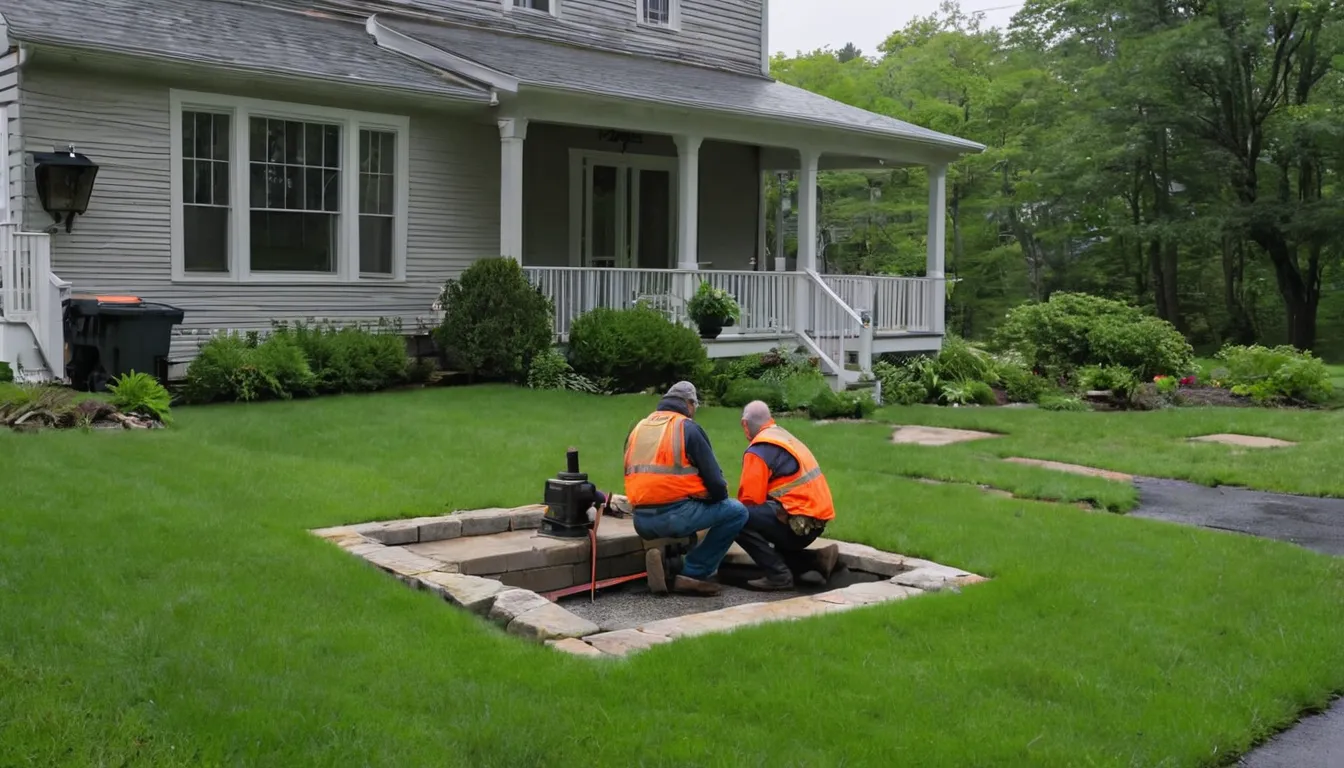
A sewer line carries every drop of waste water from your house to the street main or a septic tank. When it cracks, clogs, or collapses, the water has nowhere to go. It often backs up through the drain closest to the floor, which is usually in the basement.
Disableddutch Septic is a referral service. Providers do the work, not us. We connect homeowners in the Yonkers area with independent local providers who inspect, clear, and repair sewer lines. You can compare written estimates, ask questions, and decide with no obligation. This page explains the warning signs, the common repair methods, and the questions worth asking before anyone starts to dig in your yard.
Stop using water. That is step one. Every flush and every load of laundry adds to the problem.
No toilets, no showers, no dishwasher, no washing machine. Wait until a provider has looked at the line. If the backup is in the basement, it may keep rising as long as water runs upstairs.
Sewage carries germs. Keep kids and pets out of the wet area. Wear boots and gloves if you have to step in. Open a window if the smell is strong. Do not mix drain chemicals into a backup, because they can splash and burn skin.
Request a callback to check provider availability in your area.
One slow sink is usually a small clog. Several problems at once point to the main line.
Some signs are easy to miss. A soggy patch of lawn with no rain. Grass that is greener over one strip. A small dip or sinkhole in the yard. Rodents or insects near the foundation. Any of these can mean a broken pipe is leaking underground.
Most lines fail slowly. Then they fail all at once.
Tree roots find tiny joints and push in. Older homes often have clay, cast iron, or fiber pipe. These materials crack, flake, and sag with age. A sagging section holds waste and clogs again and again.
Cold winters push the ground up and down. Spring snowmelt soaks the soil and moves it. Heavy coastal storms add more water and more pressure. Pipes under stone or block foundations take extra stress where they pass through the wall.
The provider diagnoses first. Digging comes later, if at all.
A small camera goes into the line through a cleanout or a toilet opening. It shows roots, cracks, bellies, and breaks. Ask to see the video. It also helps you document damage for a claim, and providers can often help with that paperwork.
There are two main paths. Open trench repair means digging down to the pipe and replacing the bad section. Trenchless repair relines or pulls new pipe through the old one with little digging. Trenchless is not right for every pipe. A badly collapsed line may need a trench. Your provider should explain why they picked one method.
Sewer work often needs a local permit. The provider usually handles the paperwork, but ask who files it and who pays the fee.
Property lines matter too. In many places, you own the pipe from the house to the property line, and sometimes to the main. The town or sewer district may own the rest. Ask the provider where your responsibility ends. Check your own policy as well, since some policies may cover sudden damage.
If your house uses a septic system, the line from the house to the tank is part of this work. Tank pumping and drainfield repair are separate jobs with their own pages. If a broken line sits near a private well, ask about water well service and testing after the repair.
Get more than one written estimate when you can. Look at the method, the scope, and what is left out, not just the price. A short quote with no detail is a red flag. A pushy sales pitch is another one.
You can ask for a quote and still say no. There is no obligation.
Digging leaves a mess. Ask up front whether the quote includes backfill, grading, and patching a driveway or walk. Seeding or sod is often a separate line. Soil settles over a season, so expect a little sinking and ask how that is handled.
A few habits go a long way.
If trouble returns, Request a callback to talk through your options.
A provider sends a camera through the pipe to find the break, the clog, or the root problem.
Roots and buildup get cut or jetted out so water moves again.
Providers replace one failed section or the whole run, based on what the camera shows.
Some pipes can be relined or replaced with little digging, which may save your yard.
Prices vary a lot by pipe depth, length, material, and access. These are typical U.S. ranges only. Always get a written quote before work begins.
| Service | Typical range | Notes |
|---|---|---|
| Camera inspection | $100 – $500 | Often worth it before any digging |
| Drain clearing or jetting | $150 – $800 | Clears roots and buildup; may return if pipe is damaged |
| Cleanout installation | $800 – $3,000 | Gives future access to the line |
| Spot repair (short section) | $1,500 – $5,000 | Depends on depth and what sits above the pipe |
| Trenchless lining or replacement | $4,000 – $20,000 | Cost rises with length and pipe condition |
| Full line replacement (trench) | $3,000 – $25,000 | Yard, driveway, and permit work can add more |
Describe the backup, smell, or slow drains. Request a callback or send the request form.
Your request goes to an independent local provider who can look at your situation.
The provider explains the findings and the method. Ask for the quote in writing.
Hire the provider, compare another quote, or wait. The decision is yours.
We connect you with providers. They do the work and set their own prices.
The providers are separate businesses that serve homeowners in your part of the state.
Ask for written estimates, check the details, and take your time to choose.
Requesting an estimate carries no obligation. You decide if and when to hire.
Describe your septic or sewer problem and request an estimate. A provider in our network follows up. Request a callback to check provider availability. No obligation.
No obligationLook for backups in several drains, gurgling toilets, sewage smells, or wet spots in the yard. A camera inspection by a provider is the only sure way to find the cause.
Sometimes. Some policies may cover sudden damage, but wear, roots, and old pipe are often excluded. Check your policy and ask your agent. Providers can often help document damage for a claim.
Not always. Trenchless can save your lawn, but it only works if the pipe is still mostly intact. A collapsed or badly sagging line may need a trench. Ask the provider why.
Describe your septic or sewer problem and request an estimate. A provider in our network follows up. Request a callback to check provider availability. No obligation.
No obligation