Need septic system repair services in Yonkers?
Describe your septic or sewer problem and request an estimate. A provider in our network follows up. Request a callback to check provider availability. No obligation.
No obligationRequest an estimate from local providers
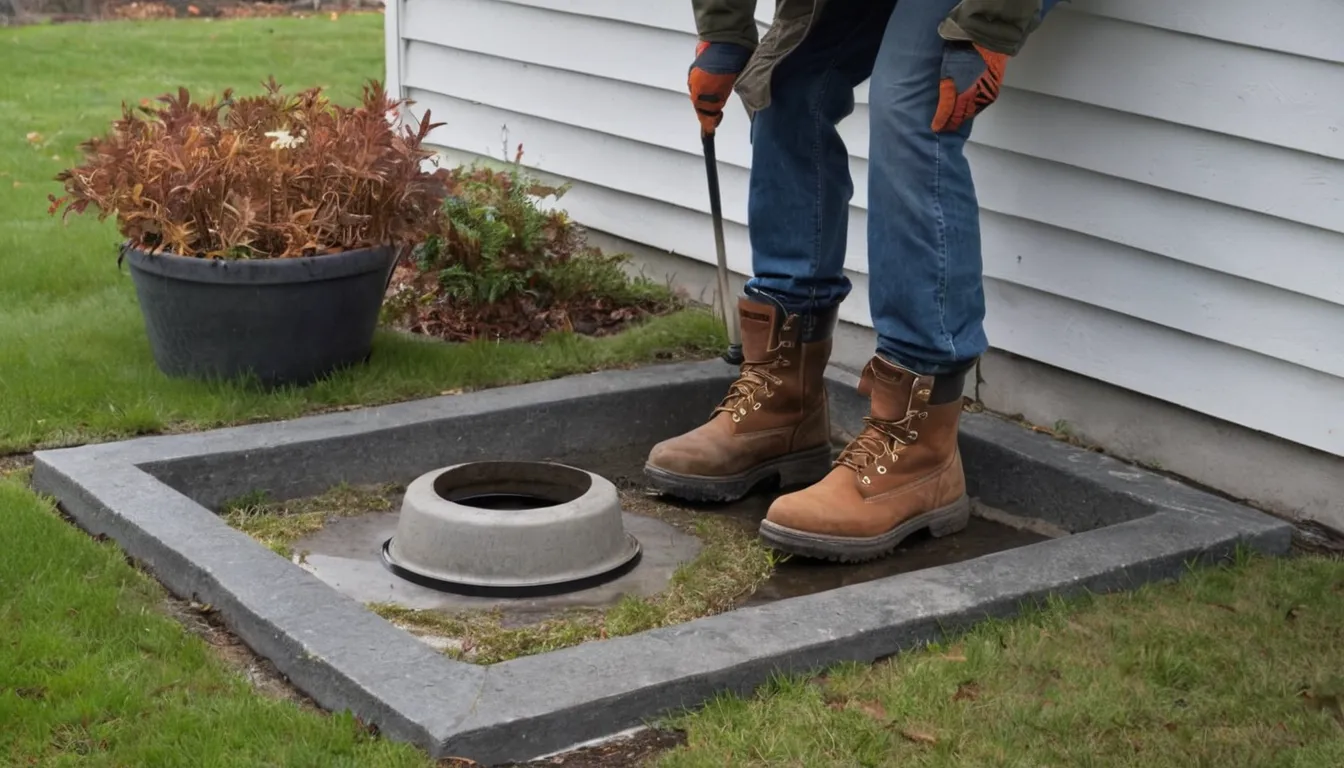
A failing septic system rarely fixes itself. Slow drains, bad smells and soggy yards all point to a problem in the tank, the pipes or the drainfield. The sooner a provider looks, the more options you have.
Disableddutch Septic is a referral service. We do not dig, pump or repair anything. We connect homeowners in Yonkers and the Yonkers area with independent local providers in our network. The provider inspects the system, explains the fix and gives you a written estimate. You compare, then decide. There is no obligation to hire anyone, and the provider alone is responsible for the work.
Stop using water. No showers, no laundry, no flushing. Every gallon you add has nowhere to go. Keep kids and pets away from wet floors. Sewage carries germs.
Then reach a provider. Disableddutch Septic is a referral service. Providers in our network do the work. We pass your request along. Referral, not repair.
Request a callback to check provider availability, or send a request through the form.
Some signs are loud. Others are quiet. Watch for these:
One slow sink is probably a clog. Several slow fixtures point to the system. Act early. Small repairs cost less than big ones.
Sometimes the tank is just full. A provider may start with emergency septic cleaning to stop a backup. That is a rush pump-out. Many providers can respond quickly, though availability varies.
Pumping empties the tank. It does not fix a broken part. A good provider looks inside while the tank is empty. Septic tank pumping has its own page on this site if that is all you need.
These parts keep solids out of the drainfield. When they fail, solids escape and clog the soil.
Older concrete and steel tanks crack and rust. A broken lid is also a safety risk. Keep people off it.
Some homes use a pump to move wastewater uphill. A stuck float or dead pump causes backups fast.
Roots find small leaks and grow inside. Frost heave and settling can shift the pipe between house and tank.
The provider starts with questions. When did it start? What changed? Next comes a look at the tank, the lines and the field. Many use a camera, a probe or a dye test. Then you get a written estimate that names the problem and the fix.
Get it in writing. Check what is included, such as permits, digging and cleanup. Many towns require a permit for septic repairs. The provider should know the local steps.
The drainfield is where treated liquid soaks into the soil. It is often a pricey part to fix. In cold, snowy regions it is also a common failure point.
Solids that escaped the tank clog the soil. Spring snowmelt and coastal storms can saturate the ground. Repeated frost and thaw cycles can shift pipes. Heavy vehicles and roots do damage too.
Drainfield repair can be small. A provider may replace a broken distribution box, swap crushed pipe, or rest one section while another works. Some jobs add a dosing pump or aeration.
If the soil is clogged across the whole field, repair will not hold. Replacement means a new field, usually with a soil test and a permit. Older homes often sit on small lots. Space and setback rules can limit where a new field goes. Ask the provider what fits.
Repair when the damage is limited and the tank is sound. Replace when the tank is cracked, the field is dead, or repairs keep stacking up.
If a provider suggests replacement, ask for the repair price too. Ask how long each choice should last. Compare, then decide.
Some policies may cover sudden damage. Wear and age are usually excluded. Check your policy. Providers can often help document damage for a claim.
If your home has a private well, tell the provider. A failing system can affect well water. Ask how far the field sits from the well. After a failure, a water well service provider can test the water. Do not drink from the well until you know it is safe.
In snowy winters, do not pack snow down over the field. Natural snow cover helps insulate it.
Clear answers are a good sign. Vague answers are a red flag.
Request a callback to talk through your situation and check provider availability.
The provider checks the tank, lines, pump and drainfield to find where the problem actually starts.
Baffles, filters, lids and risers can often be fixed without replacing the tank.
Providers can test, repair or replace pumps, floats and alarms in the pump chamber.
Providers fix pipes, distribution boxes and soil problems, or advise when replacement is needed.
These are typical U.S. ranges. Real prices vary by job, soil, access and local permit rules. Ask each provider for a written, itemized quote before any work starts.
| Repair item | Typical range | Notes |
|---|---|---|
| System inspection or camera check | $100 – $600 | Often the first step to find the cause |
| Baffle or outlet filter replacement | $200 – $700 | Usually quick if the tank is already pumped |
| Tank lid or riser repair | $300 – $1,500 | Depends on depth and tank material |
| Pump, float or alarm replacement | $500 – $2,500 | Varies by pump type and wiring |
| Drainfield repair | $2,000 – $10,000 | Depends on how much of the field is damaged |
| Drainfield replacement | $5,000 – $25,000+ | Soil tests, permits and lot size drive the price |
Tell us what you see, such as backups, smells or soggy ground. Use the form or call.
Your request goes to a local provider in our network.
The provider inspects and explains the problem, the fix and the price.
Take your time. Hire the provider you choose, or none at all.
Disableddutch Septic refers you. Independent providers inspect, quote and do the work themselves.
Ask more than one provider for a written quote, then weigh the repair options side by side.
Sending a request does not commit you to hire anyone. You decide.
Providers in our network know area soil, frost and permit rules.
Describe your septic or sewer problem and request an estimate. A provider in our network follows up. Request a callback to check provider availability. No obligation.
No obligationIf the tank is simply full, pumping may clear the problem. If backups return soon after, or the yard stays wet, a part is likely failing. A provider can inspect the tank while it is empty.
Sometimes. Broken pipes or a bad distribution box can be repaired. If the soil is clogged across the whole field, replacement is more likely. A provider can explain which applies.
Some policies may cover sudden damage, but wear and age are usually excluded. Check your policy. Providers can often help document damage for a claim, though the insurer decides coverage.
Describe your septic or sewer problem and request an estimate. A provider in our network follows up. Request a callback to check provider availability. No obligation.
No obligation