Need septic tank pumping in Yonkers?
Describe your septic or sewer problem and request an estimate. A provider in our network follows up. Request a callback to check provider availability. No obligation.
No obligation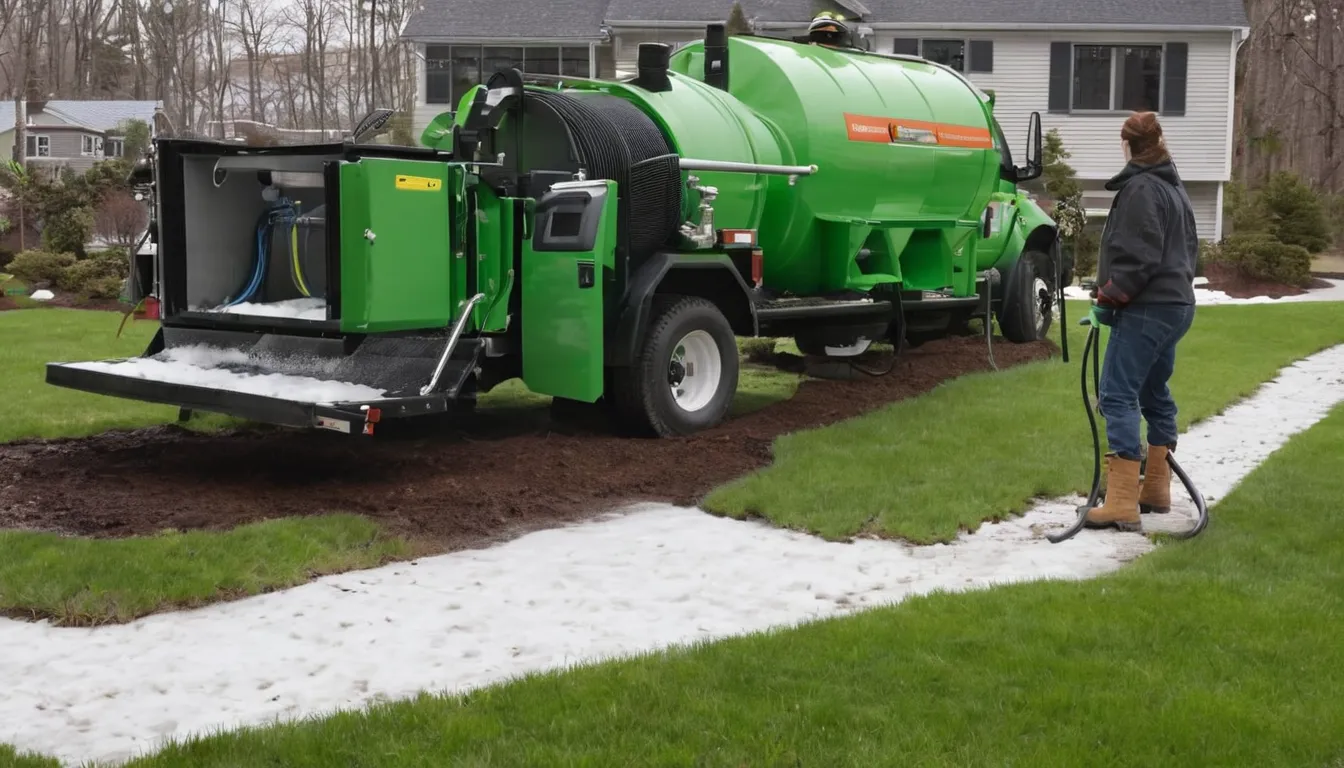
Slow drains, gurgling pipes, or a wet, smelly patch in the yard often mean the tank is full. Pumping is the usual fix. It is also routine upkeep that protects the rest of your system, including the drainfield, which is costly to replace.
Disableddutch Septic is a referral service. Disableddutch Septic does not pump tanks. Independent providers in our network do the work, and they set their own prices and schedules. You send a request, and it is passed along to local providers who serve the Yonkers area. They contact you, ask a few questions about the tank, and give you a written estimate. You can compare what each one includes, then decide with no obligation. Typical pumping prices vary by tank size, access, and distance, so a written quote matters. Referral, not repair.
If drains are slow and the yard smells, treat the tank as full. Pumping is the first thing to rule out. It is also one of the lower-priced fixes on a septic system, so do it before anything bigger breaks.
Not sure when the tank was last pumped? That is common. Many homeowners buy a house and never see the records. If you cannot find a date, assume it is overdue.
Look for these:
One sign is a warning. Two or more mean you should act soon.
Stop using water. No laundry, no dishwasher, no long showers. Every gallon has nowhere to go.
Keep kids and pets away from any standing sewage. Open a window if the smell is strong. Then ask for a provider.
Request a callback to check provider availability and describe what is happening.
Some situations are urgent. Sewage in the basement is one. A tank lid that is sunken or cracked is another. Providers who handle emergency septic cleaning bring a larger truck, pump the tank, and clean the affected area when they can. Many providers can respond quickly, but timing depends on the provider and the season.
A backup can also point to a clog in the line or a failed drainfield. Pumping may clear the problem for now. A provider can tell you if something else needs a closer look.
Providers do the work. Disableddutch Septic does not own trucks, send crews, or set prices. When you send a request, we route it to independent local providers. They contact you, explain the job, and give you a quote. Your agreement is with the provider.
Solids settle in the tank. Scum floats on top. Bacteria break down some of it, but not all. The rest builds up.
When the buildup gets too high, solids slip out into the drainfield. That clogs the soil. A drainfield repair can cost many times more than a pump-out. Regular pumping keeps solids where they belong.
A common rule is every three to five years. It is only a rule of thumb. These change the timing:
Ask a provider to measure the sludge layer. That gives a real answer for your tank.
The provider finds the tank and opens the lids. If the lids are buried, they may need to dig. Then a hose pulls out the liquid and the solids. Good providers also check the baffles and look at the inlet and outlet. Many clean the effluent filter if your tank has one.
Most visits take an hour or two. Ask for a receipt that lists the tank size and what the provider saw.
Pumping empties the tank. An inspection checks it. They are different jobs, though many providers do both on one visit.
With the tank empty, a provider can see cracks, leaks, and worn parts. Winter ground frost and spring snowmelt can shift lids and pipes. Older stone and block foundations can also stress the lines that run out from the house. A post-winter check can catch small problems early.
Buyers often ask for a pump-out and inspection before closing. Sellers can do it ahead of time and have the report ready. That keeps surprises off the table.
Older homes may have tanks that nobody has mapped. A provider can locate the tank and note its size and condition.
Small habits add up:
If your home also uses a private well, ask the provider about water well service. Tests can show whether septic problems have reached your drinking water.
Keep the list short:
Get more than one written estimate when you can. Look at what each one includes, not only the number. Take your time unless sewage is backing up. No one has to say yes on the first call.
The provider removes liquid, scum, and settled solids from the tank so it has room to work again.
Providers look at the inlet and outlet baffles for cracks or wear while the tank is open.
If your tank has an effluent filter, many providers will rinse it during the visit.
Ask for a note on tank size, condition, and next pump date. It helps with records and sales.
Prices vary by tank size, access, distance to disposal, and season. These ranges are typical for the U.S., not quotes. Always get a written estimate from the provider before work starts.
| Item | Typical range | Notes |
|---|---|---|
| Standard pump-out (1,000–1,500 gal) | $300 – $600 | Most common job for a single-family home |
| Large tank (2,000+ gal) | $500 – $900 | More volume and more time |
| Urgent or emergency visit | $400 – $1,000 | Varies by provider and conditions |
| Digging to find buried lids | $100 – $300 | Depends on depth and ground |
| Riser and lid install | $400 – $1,000 | Makes future pumping easier |
| Inspection with pump-out | $150 – $500 | Often added for home sales |
Describe the signs, the tank size if you know it, and when it was last pumped. Short notes are fine.
Independent providers in our network contact you to ask a few questions.
Look at price, tank size, and what is included. Ask about anything unclear before deciding.
Pick the provider you like. They set the date, do the pumping, and give you a receipt.
You know the steps. Request, get contacted by a provider, compare quotes, choose. Nothing is hidden along the way.
Local businesses do the work and set their own prices, so you can compare.
Asking for an estimate is no obligation. You decide if and when to hire.
Referral, not repair. The provider handles the job and the agreement with you.
Describe your septic or sewer problem and request an estimate. A provider in our network follows up. Request a callback to check provider availability. No obligation.
No obligationSlow drains, gurgling, sewage smells, and soggy ground over the system are common signs. If you cannot remember the last pump-out, or it was over three to five years ago, get it checked.
Typical U.S. prices for a standard home run roughly $300 to $600. Larger tanks, buried lids, and urgent visits cost more. Ask each provider for a written quote before you agree.
No. Disableddutch Septic is a referral service. Independent local providers do the pumping and set their own prices. We connect you, and you choose.
Describe your septic or sewer problem and request an estimate. A provider in our network follows up. Request a callback to check provider availability. No obligation.
No obligation